




Howdy!

We blend strategy, creativity, and technology to help brands grow, connect, and stand out in an ever-evolving digital world.

Diploma in Animation and Multimedia

Learn film making in Chandigarh and get practical training in script writing, cinematography, direction, video editing and film production.

Chapter 01— Course Overview

What is the Film Making Course at Pikazzo Institute?

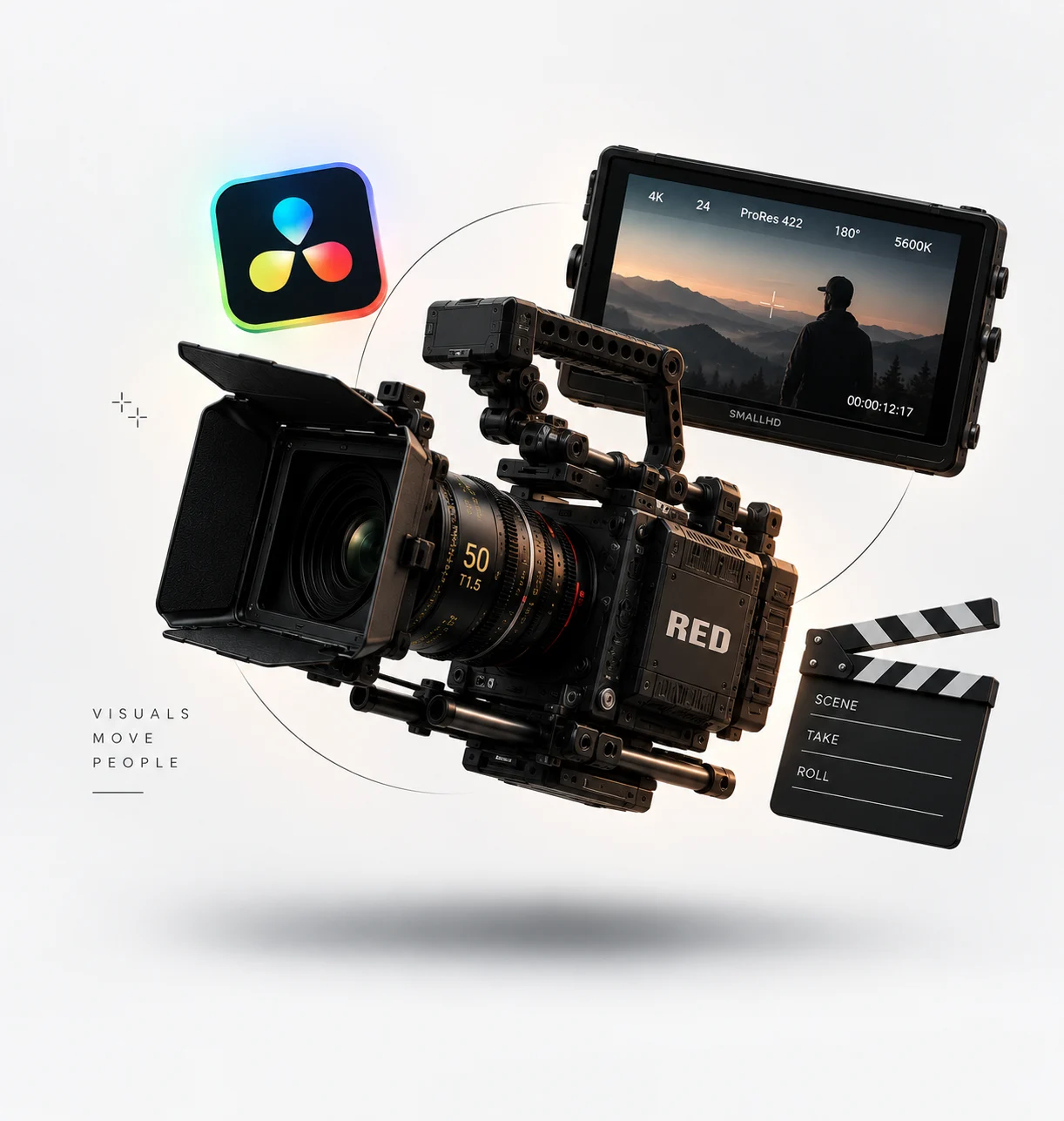
Pikazzo Institute’s Film Making Course in Chandigarh is a comprehensive, production-orientated training programme that takes you through every aspect of the filmmaking process, from the initial idea to the final polished film on screen. What makes Pikazzo absolutely unique in the North India filmmaking education sector is our in-house RED Dragon Cinema Camera, the same camera system that shoots major Bollywood and Hollywood productions. No other film school in Chandigarh offers students direct, on-the-hand access to cinema-grade RED camera equipment as part of their regular training.
AI automation course at Pikazzo Institute

Software & Tools Covered

CategoryTools Covered
RED Dragon Cinema CameraHollywood & Bollywood grade cinema camera exclusive to Pikazzo in North India's film education sector
Cinema LensesPrime & zoom cinema lenses for RED system
Professional Lighting KitLED panels, Fresnel lights, softboxes, reflectors, practicals
Gimbal & Camera StabilizersDJI & professional rigs for smooth motion shots
Production Sound KitBoom mic, lavalier systems, audio recorder, monitoring headphones
Editing WorkstationsHigh-spec editing suites running Adobe Premiere Pro & DaVinci Resolve
Colour Grading SuiteDedicated DaVinci Resolve colour grading workstation with calibrated monitor
Grip & Production AccessoriesTripods, sliders, follow focus, matte boxes, C-stands
Green Screen StudioIn-house green screen space for compositing and VFX work
Chapter 02— What You Will Learn

Complete Film Making Course Module

Introduction to Filmmaking
History and Evolution of Cinema
Types of Film
Film Production Pipeline
Pre-Production
Production
Post-Production
Role of a Director
Producer
Cinematographer
Editor
Production Designer
Sound Designer
Visual Effects Artist
Understanding Film Language
Storytelling Fundamentals
Story Structure
Three-Act Structure
Character Development
Theme and Conflict
Visual Storytelling
Scene and Sequence

Idea Development
Logline
Synopsis
Story Treatment
Screenplay Fundamentals
Scene Heading
Action Description
Dialogue
Character Development
Conflict
Scene Structure
Writing Visual Scenes
Script Formatting
Script Breakdown
Shot List
Storyboard
Moodboard
Location Scouting
Casting Basics
Costume Planning
Props
Production Design
Shooting Schedule
Production Budget Basics
Crew Planning
Call Sheet Introduction

Introduction to Cinematography
Camera Types
DSLR and Mirrorless Cameras
Cinema Cameras
Camera Controls
Exposure
Aperture
Shutter Speed
White Balance
Frame Rate
Resolution
Aspect Ratio
Lenses
Focal Length
Depth of Field
Focus
Camera Angles
Camera Shots
Wide Shot
Medium Shot
Close-Up
Extreme Close-Up
Camera Movement
Composition
Rule of Thirds
Leading Lines
Framing
Visual Continuity

Cinematography Language
Natural Light
Artificial Light
Hard vs Soft Light
Key Light
Fill Light
Back Light
Three-Point Lighting
Practical Lights
Motivated Lighting
High-Key Lighting
Low-Key Lighting
Dramatic Lighting
Color Temperature
Warm vs Cool Lighting
Lighting Ratios
Light Modifiers
Reflectors
Diffusers
Flags
Night Photography/Cinematography
Interior Lighting
Exterior Lighting
Visual Mood
Cinematic Color

Role of the Director
Director's Vision
Working with Actors
Actor Direction
Blocking
Rehearsals
Performance Direction
Camera Blocking
Shot Planning
Coverage
Master Shot
Close-Ups
Reaction Shots
Continuity
Working with Cinematographer
Working with Sound Team
Production Management
Crew Roles
Set Etiquette
Call Sheets
Shooting Schedule
Location Management
Basic Production Budgeting
On-Set Problem Solving

Production Sound
Dialogue Recording
Microphone Types
Boom Microphone
Lavalier Microphone
Audio Recording Basics
Room Tone
Ambient Sound
Sound Effects
Foley Introduction
Music
Editing Fundamentals
Rough Cut
Fine Cut
Continuity Editing
Montage
Pacing
J-Cuts
L-Cuts
Basic Color Correction
Color Grading Introduction
Titles
Credits
Exporting
Film Delivery Formats

Introduction to AI in Filmmaking
AI-assisted Idea Development
Story Brainstorming
AI Screenwriting Assistance
Character Development
Story Research
AI Moodboards
Visual References
AI Storyboarding
Shot Concept Generation
AI Location Concepts
AI Production Design Concepts
AI Costume Concepts
AI Previsualization
AI Image Generation
Image-to-Video
AI Video Generation
AI Voice and Dialogue Tools
AI Subtitle Generation
AI Video Enhancement
AI-assisted Editing
AI Sound Workflows
AI-assisted VFX
AI Content Repurposing
Copyright and Responsible AI Use

Advanced Composition
Visual Language
Shot Design
Lens Selection
Lens Compression
Depth of Field
Camera Perspective
Advanced Camera Movement
Handheld Cinematography
Gimbal
Dolly
Tracking Shots
Crane/Jib
Drone Cinematography Introduction
Long Takes
One-Shot Sequences
Advanced Lighting
Motivated Lighting
Color Psychology
Visual Motifs
Creating Cinematic Mood
Scene-to-Scene Visual Continuity

Advanced Directing
Director's Vision
Character Motivation
Actor Preparation
Blocking
Rehearsals
Performance Direction
Emotional Scenes
Dialogue Scenes
Action Scenes
Working with Non-Actors
Multi-Camera Direction
Scene Coverage
Continuity
Working Under Time Constraints
Directing for Short Films
Directing for Advertisements
Directing Music Videos
Working with Cinematographers
Working with Editors
Directorial Decision Making

Advanced Editing
Narrative Editing
Scene Rhythm
Advanced Pacing
Montage
Parallel Editing
Trailer Editing
Documentary Editing
Music Video Editing
Advanced Color Correction
Cinematic Color Grading
Look Development
Color Matching
Skin Tone Correction
Sound Design
Dialogue Editing
Foley
Ambient Sound
Music Editing
Audio Mixing
Titles and Credits
VFX Integration
Motion Graphics
Final Mastering
Quality Control
Multiple Delivery Formats

Understanding a Production Brief
Creative Research
Script Development
Director's Treatment
Visual References
Moodboards
Storyboarding
Shot Lists
Production Design
Casting
Location Scouting
Production Planning
Scheduling
Budgeting
Crew Management
Equipment Planning
Production Workflow
On-Set Management
Post-Production Planning
Client/Producer Feedback
Revisions
Film Festival Preparation
Film Portfolio Development
Director's Reel
Freelancing and Professional Practice
Chapter 03— Why the RED Dragon Camera is a Game Changer

The RED Dragon Edge

When you learn on a RED Dragon at Pikazzo, you are not just learning filmmaking; you are learning the actual language of professional film production. You know how to operate a cinema-grade sensor, how to expose for RAW footage, how to manage dynamic range for post-production colour grading, how to work in a professional camera department and how to make footage look like it's meant for a cinema screen. Most film students in India graduate having only ever shot on a DSLR or mirrorless camera. Pikazzo students graduate having used cinema-grade equipment. That difference is seen in your showreel, in your confidence on set and in the way a production house treats you when you walk through their door.

Professional RAW Video Capture and Sensor Controls Cinema lens systems, mounts and focus pullers Camera Department Roles and Protocol on Set How to shoot for colour grading in post-production Dynamic range management for cinematic look Data management workflows for professional productions DIT (Digital Imaging Technician) basics are the skill most film institutes don’t teach.

  • Professional RAW Video Capture and Sensor Controls
  • Cinema lens systems, mounts and focus pullers
  • Camera Department Roles and Protocol on Set
  • How to shoot for colour grading in post-production
  • Dynamic range management for cinematic look
  • Data management workflows for professional productions
  • DIT (Digital Imaging Technician) basics are the skill most film institutes don’t teach.

Chapter 04
— Career Opportunities

What Can You Do After This Film Making Course?

Completing the Film Making Course at Pikazzo Chandigarh prepares you for a range of careers in the rapidly growing film content and digital media industry in India, especially within the booming Pollywood and North Indian production ecosystem.

Job Roles You Can Apply For:
Job RoleDescription
DirectorShort films, ad films, music videos, feature films
DOPNarrative films, commercial shoots, OTT content
Film EditorProduction houses, post-production studios, OTT platforms
Color Grading ArtistPost-production studios, ad agencies, OTT delivery pipelines
Sound DesignerFilms, web series, podcasts, gaming audio
Production Manager / ADFilm sets, commercial productions, web series
ScriptwriterFilms, web series, ad films, branded content
VFX ArtistPunjabi film post-production, ad agencies, gaming
YouTube Content CreatorCinematic travel, documentary, storytelling formats
Brand Film DirectorAgencies, startups, corporate brands
Music Video Director / DPPunjabi music industry (one of the highest-volume markets in India)


Industries hiring film graduates at present: Pollywood (Punjabi Cinema), Bollywood, OTT Platforms (Amazon Prime, Zee5, Netflix India, Jio Cinema), advertising agencies, brand content studios, news media, gaming, education (EdTech video production), and wedding & event production.

Salary Range: Entry-level jobs in film production and post-production in Chandigarh and Delhi/Mumbai range from ₹18,000 to ₹35,000/month. DPs, editors and directors working on Pollywood and brand films can earn ₹5–15 LPA and beyond. Freelancers with good reels and industry contacts make a LOT more.

Chapter 05 Why is Pikazzo the best film-making institute in Chandigarh?

Why Choose Pikazzo Institute

The Only Film School In North India With A RED Dragon Camera This statement is not a marketing line; it is a fact that matters a lot to your career. You give your showreel to a production house, and they see RED Dragon footage, and they know you’ve done some serious training. This equipment is not available in any other film school in Chandigarh, Mohali or Tricity.

Real Industry Connections, Not Just Classrooms: Pikazzo actively involves students in the pre- & post-production industry of Punjab, allowing them to work on real projects, build real credits, and meet real industry professionals while still in training. Most institutes can only provide you with industry introductions after graduation. From the first month of your course, Pikazzo starts to build your industry network.

Over 10 Years of Creative Arts Training, with Absolute Creative Focus: Pikazzo is an academy of creative arts and technology, not an IT institute that has simply added a film course to its catalogue. At the heart of what we teach is filmmaking, cinematography, direction and post-production. That focus is evident in the depth of our curriculum and the quality of our students' work.

Working Professionals as Mentors: Our film faculty are not career academics. They’re working directors, DPs, editors and post-production pros bringing live industry experience, real project workflows and current industry contacts into every class.

Full Pre- to Post-Production Training: Pikazzo covers the whole production pipeline, from the initial script idea to the final exported file. You can complete your film education here, all in one structured programme.

The Gateway to Pollywood Chandigarh is the professional and creative hub of Punjabi cinema. If you study film here, you will find yourself in the middle of a growing and dynamic regional industry that is actively seeking trained talent in every department. Chandigarh is the smart career choice to start your film career.

  • 10 YearsTraining Creative Professionals
  • 15+Industry-Focused Courses
  • 100%Placement Assistance
pikazzo

Need Guidance?

Our mentors are just one click away to help you stay on track.

FAQFAQ

Film Making Course FAQs — Pikazzo Institute, Chandigarh

Pikazzo is among the top film-making courses in Chandigarh, offering practical camera training, scriptwriting, directing, cinematography, video editing, and film production, along with practical projects and portfolio building.

Sure. Our Film Making Course after 12th is best suited for students, graduates, content creators, freelancers or anyone interested in professional filmmaking.

Yes. Students learn practical filmmaking through involvement in brief films, commercials, music videos, documentaries, interviews and commercial productions.

Pikazzo Institute offers an industry-orientated filmmaking course in Chandigarh with live projects, portfolio building, and placement support to make students ready for a successful career in the film and media industry.